Pizza · Medium
Neapolitan Pizza Dough (62% Hydration)
Neapolitan pizza dough with 00 flour at 62% hydration and a 24-hour rise. Works in pizza ovens and home ovens with a steel. Scale the balls and open the pizza calculator.
- Hydration
- 62%
- Total time
- 1 d 1 h 20 min
- Hands-on
- 40 min
- Makes
- 4 dough balls

Neapolitan pizza is all about the dough: a soft, puffy rim with dark spots around a thin middle that folds like a wallet. It is just flour, water, salt and yeast, so the ratios and the timing do everything.
We use 62%, which handles easily and puffs well in a home pizza oven. The Associazione Verace Pizza Napoletana sets rules for certified pizzerias. This recipe uses the same ingredients but makes no claim to meet their full standard.
Formula
Change the count or piece weight and every gram updates. Percentages are of total flour, including the flour in any starter or preferment.
| Ingredient | Baker's % | Weight |
|---|---|---|
| Tipo 00 pizza flour | 100% | 606 g |
| Cool water, 18 °C (64 °F) | 62% | 376 g |
| Fine sea salt | 2.8% | 17 g |
| Instant yeast | 0.1% | 0.6 g |
| Total dough | 1,000 g | |
| Total flour · water | 606 g · 376 g | |
| Hydration | 62.0% |
What does this cost to make?About $0.46 per dough ball at example US prices
| Ingredient | Cost |
|---|---|
| Tipo 00 pizza flour | $1.74 |
| Cool water, 18 °C (64 °F) | $0.00 |
| Fine sea salt | $0.09 |
| Instant yeast | $0.01 |
| Ingredients | $1.84 |
| Per dough ball | $0.46 |
| Per 100 g of dough (ingredients) | $0.18 |
| Suggested retail price | $1.50 |
| Suggested wholesale price | $1.00 |
Retail is 3× cost (a 69% margin), rounded up; wholesale is 60% of retail. Example US prices (Nov 2026), ingredients only. Put in what you pay, plus packaging and your time, in the cost calculator.
Use your own prices →Nutrition per serving (estimate), 1 dough ball · 550 kcal · carbs 111 g · protein 18 g · fat 2 g · fiber 4 g · sodium 1650 mg. Worked out from the ingredient weights above, toppings and fillings included.
You need a scale that reads 0.1 g for the yeast: 0.1% of 600 g of flour is 0.6 g. A pizza steel or stone is what makes a home-oven Neapolitan possible.
Choosing your hydration
Neapolitan dough usually sits between 58% and 65%. Lower is easier to stretch and suits very hot ovens. 63–65% gives a lighter rim and helps in home ovens, where the longer bake dries the crust out.
The pizza dough calculator lets you move hydration, salt and yeast and reworks every ball for you.
Yeast and time
Yeast and time trade against each other. 0.1% instant yeast suits about 24 hours with a cold rise. For a same-day dough at room temperature, use 0.3–0.4%, ball it after 2 hours and bake 6–8 hours later.
The fermentation time calculator helps when your kitchen is much warmer or cooler than 22 °C.
Method and schedule
- Mix and knead : 15 min, hands-on.
- Rest : 2 h, waiting.
- Ball : 15 min, hands-on.
- Cold rise : 20 h, waiting.
- Warm up : 2 h 30 min, waiting.
- Heat the oven : 45 min, oven, during warm up.
- Stretch, top and bake : 20 min, oven.
Pick a start time, or the time you want it ready, and each step gets a clock time. Tick steps off as you go; this page remembers your place on this device.
Plan your bakeTotal time 1 d 1 h 20 min
1 Mix and knead
Dissolve the salt in the water. Add about two-thirds of the flour and the yeast and stir, then add the rest of the flour a handful at a time. Knead 8–10 minutes.
Look for: Smooth and elastic, and it springs back slowly when poked.
2 Rest
Cover and leave at room temperature for 2 hours.
3 Ball
Divide into equal pieces. Make each one a tight ball by tucking the edges underneath and rolling it against the counter. Set them in a lightly oiled lidded box with room to spread.
Look for: Smooth tops with no tears, and the seam pinched closed underneath.
4 Cold rise
Into the fridge for about 20 hours. Cold, slow fermentation is where the flavour and the soft, stretchy texture come from.
5 Warm up
Take the box out 2–3 hours before you bake.
Look for: The balls have relaxed and spread, feel soft and airy, and show a few bubbles underneath.
6 Heat the oven
Pizza oven: heat to 430–480 °C (800–900 °F). Home oven: put a steel on the top-third rack and heat at the highest setting for 45 minutes.
7 Stretch, top and bake
Press the air from the middle out to the rim with your fingertips, then stretch to 25–30 cm (10–12 in). Top lightly. Pizza oven: 60–90 seconds, turning often. Home oven: 6–8 minutes on the steel, then a minute under the grill.
Look for: A puffed rim with dark leopard spots and a soft, floppy middle.
Troubleshooting
- Dough tears when you stretch it: it is too cold or hasn’t rested. Give it 30–60 more minutes out of the fridge.
- Dough springs back: the gluten is tight. Rest it 15 minutes.
- Soggy middle: too much sauce, or the steel wasn’t hot enough. Use less and preheat longer.
- Burnt bottom in a pizza oven: the floor is hotter than the dome. Let the floor cool, or launch further from the flame.
Baker's notes
Once you have made it as written, these are the changes worth trying.
- For a 48–72 hour dough, drop the yeast to 0.05% and keep the balls in the fridge until 3 hours before baking.
- Swap 10–20% of the 00 for a stronger Manitoba-type flour if long ferments go slack.
- In a home oven, 65% hydration plus 1% diastatic malt helps the rim colour in a 6–8 minute bake.
Questions
Can I use bread flour instead of 00?
Yes, especially in a home oven, where bread flour browns better. The crust is chewier and less soft.
How long does the dough keep in the fridge?
Up to 72 hours. After that it goes slack and sour.
Can I freeze the dough balls?
Yes. Freeze them after balling, thaw overnight in the fridge and warm up 2–3 hours before baking.
Bake next

Feedback on this recipe
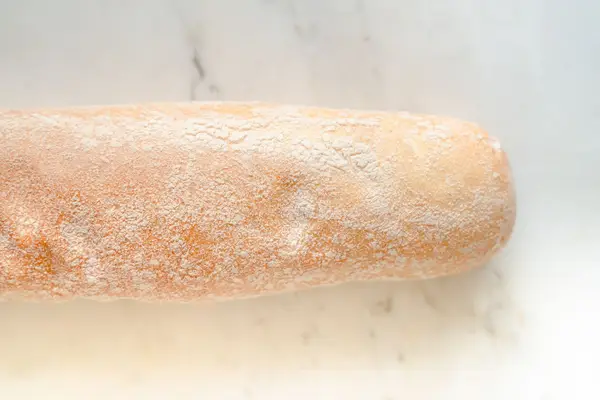
Formula and method by the BreadHydration team, written for home ovens and checked against our calculators. Photo by Esra Afşar on Pexels, used under the Pexels license; it shows this style of bread, not our own bake. Found an error? Tell us.